
What Is Myopia?


Myopia (or nearsightedness) is so common that nearly 50% of North America will have myopia by 2030. This disease happens when the eye grows too fast, too long, and gets weaker. You may know it as blurry vision far away.


Myopia can develop as young as age 3, and it often gets worse as children grow. Parents may not see signs that their child has myopia, such as squinting or having to sit up close to the television or computer screen to see clearly.


The heavy use of digital devices is not going away and certainly is not helping things. It is important to have your child take breaks that are at least 5 minutes long, at least once an hour. Children should also spend at least 90 minutes outside a day.


The younger your child, the faster their myopia gets worse. Treating as early as possible will reduce the risk of eye health issues in their lifetime.


Myopia Can Affect More Than Your Eyes


Myopia can affect your child’s ability to perform well in school, sports, performing arts, and other activities that require clear vision. Controlling myopia progression will free them up to be at their best. 
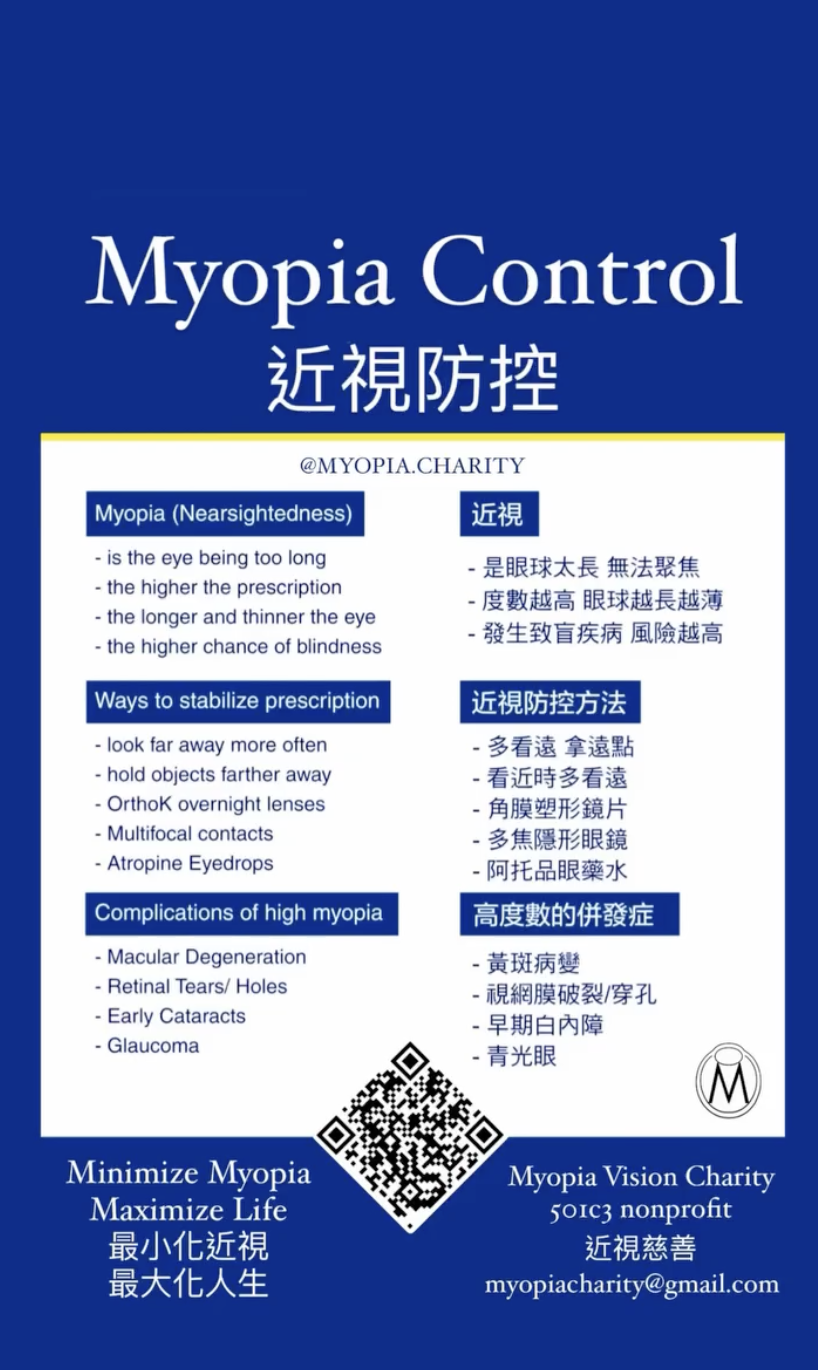

Types of Myopia Control


Our job is to protect your child’s vision from getting worse as they grow, using the most appropriate treatment.


MiSight ® 1 day

is a dual focus soft contact lens that was the first FDA-approved

myopia control treatment to provide clear vision while simultaneously slowing

the worsening of myopia. It was designed for young children and its safety and

efficacy is supported by a 7-year study and hundreds of thousands of patients.


Stellest Lenses

was FDA market authorized to control myopia in September 2025. It

utilizes invisible little lenses mounted in glasses lenses to slow the progression

of myopia. Its success in doing so depends on at least 10 hours a day of wear.

Soft multifocal contact lenses were originally designed to help adults see

clearly at far away, mid-range, and close up, but studies have shown that they

can help slow myopia progression in children as well.


Orthokeratology (ortho-k) contact lenses

temporarily reshape the cornea overnight. Upon removal in the morning, nearsightedness is corrected delivering clear vision all day long. It is a great option for those that want freedom from daytime glasses and contact lenses, and especially swimmers and water polo

players. These lenses must be worn each night to maintain clear vision.


Low-dose atropine eyedrops

are instilled each night to slow the growth of the eye. Side effects may include mild dilation of the pupils and a temporary reduction in the eye’s focusing ability. They are currently sourced from compounding pharmacies and as such, may have variable performance.


Single Vision Glasses

provide clear vision for a period of time, but don’t do anything to keep the nearsightedness from worsening.


Bifocals and progressive addition lenses (PALs)

do not help slow myopia progression to any appreciable degree.

Image description